Strong Academics. Practical Skills. Real-World Learning.
Every learner finds their path by following their own curiosity.
Our curriculum combines Tanzania's national educational requirements with an experiential approach that makes learning active, relevant, and engaging.
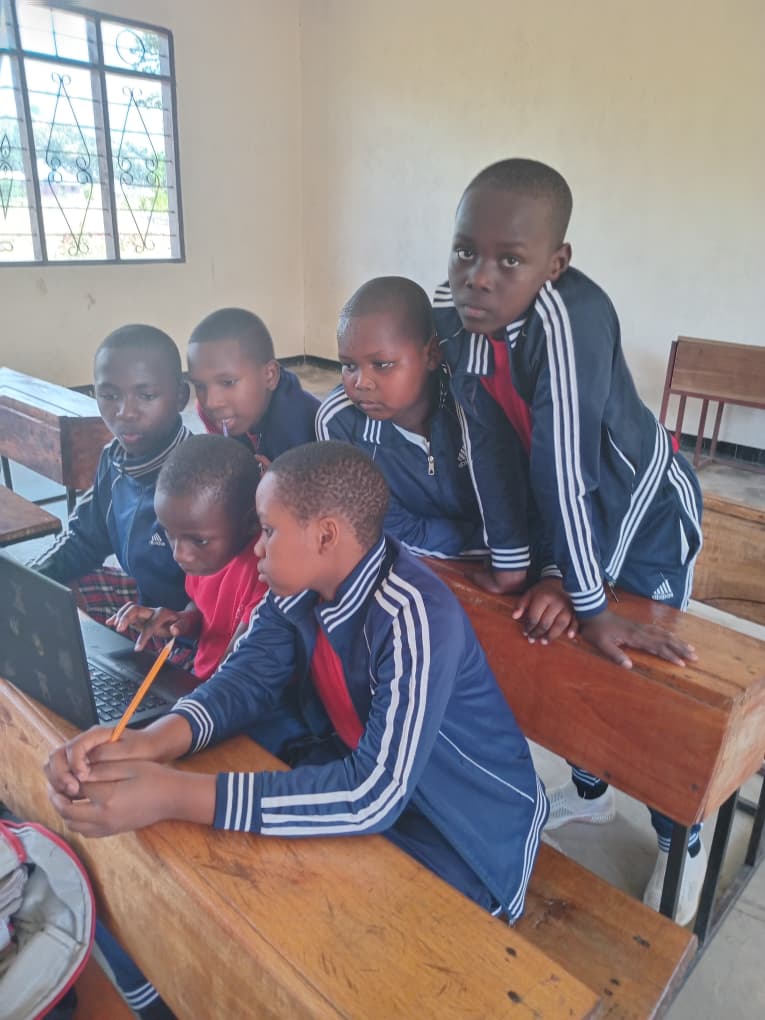
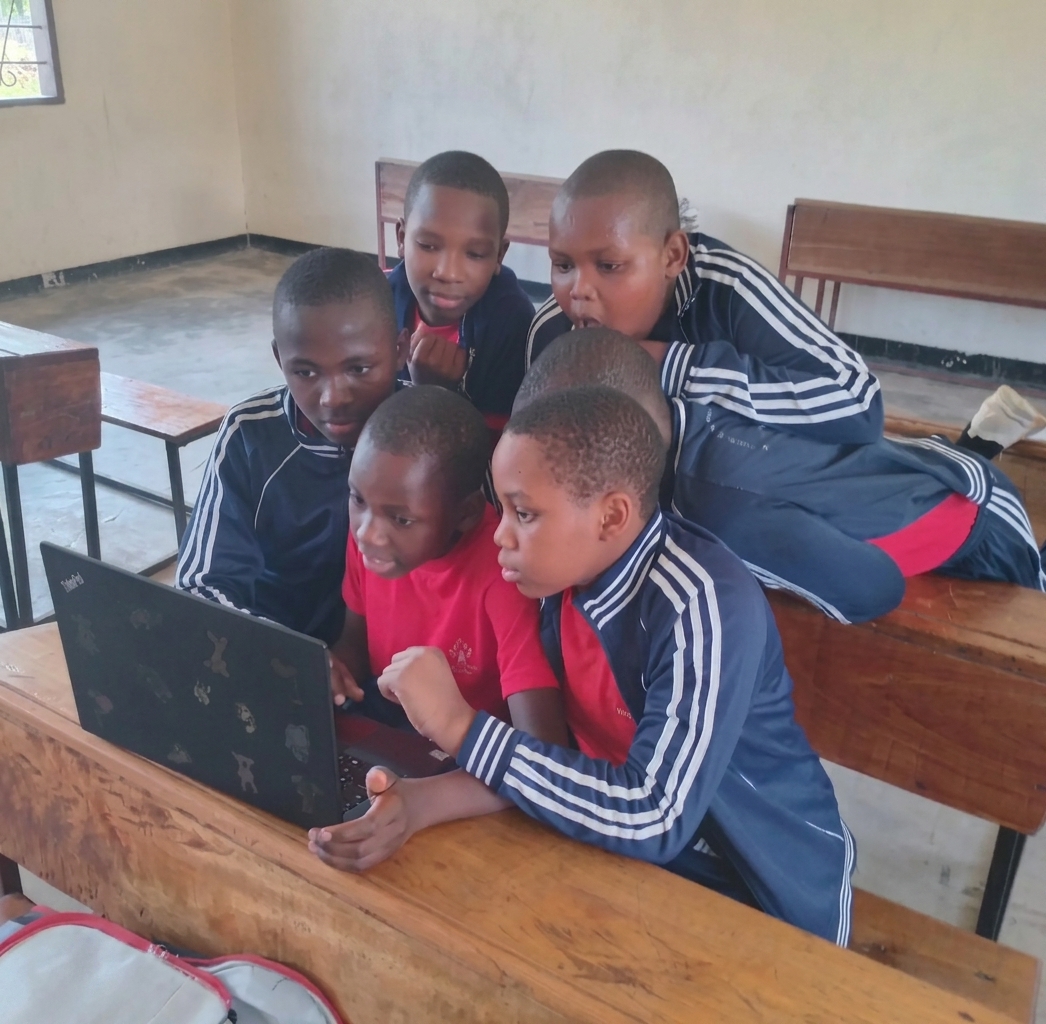
Students develop strong foundations in English, Mathematics, Science, Kiswahili, Social Studies, technology, creative arts, physical education, and other essential areas of learning. Classroom instruction is complemented by practical activities, experiments, projects, educational visits, environmental studies, agriculture, technology, and opportunities to investigate real-world problems.
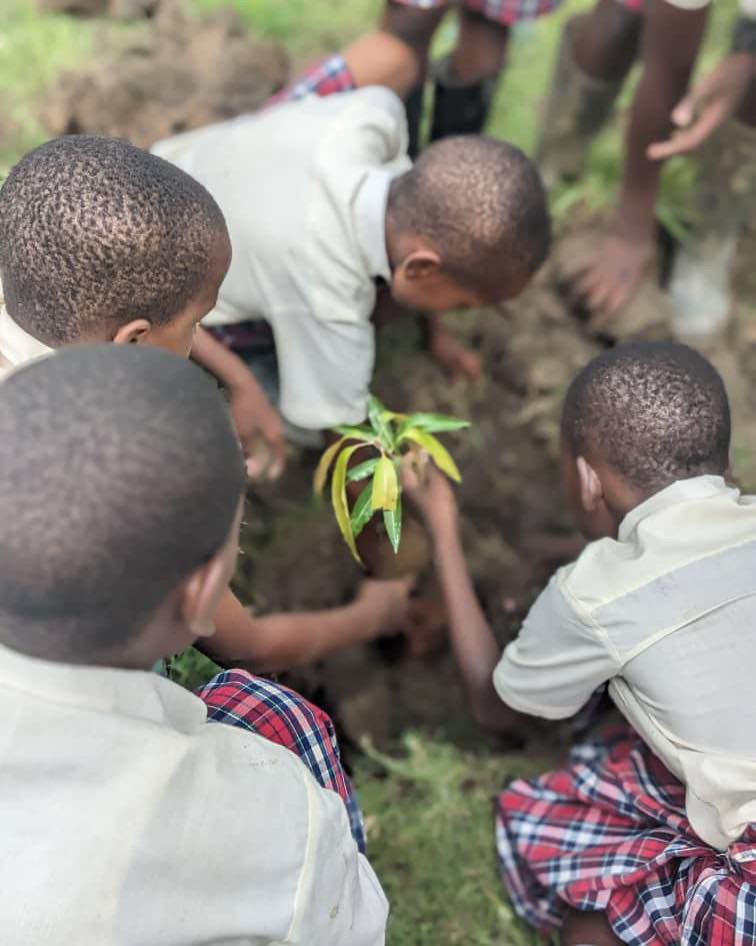
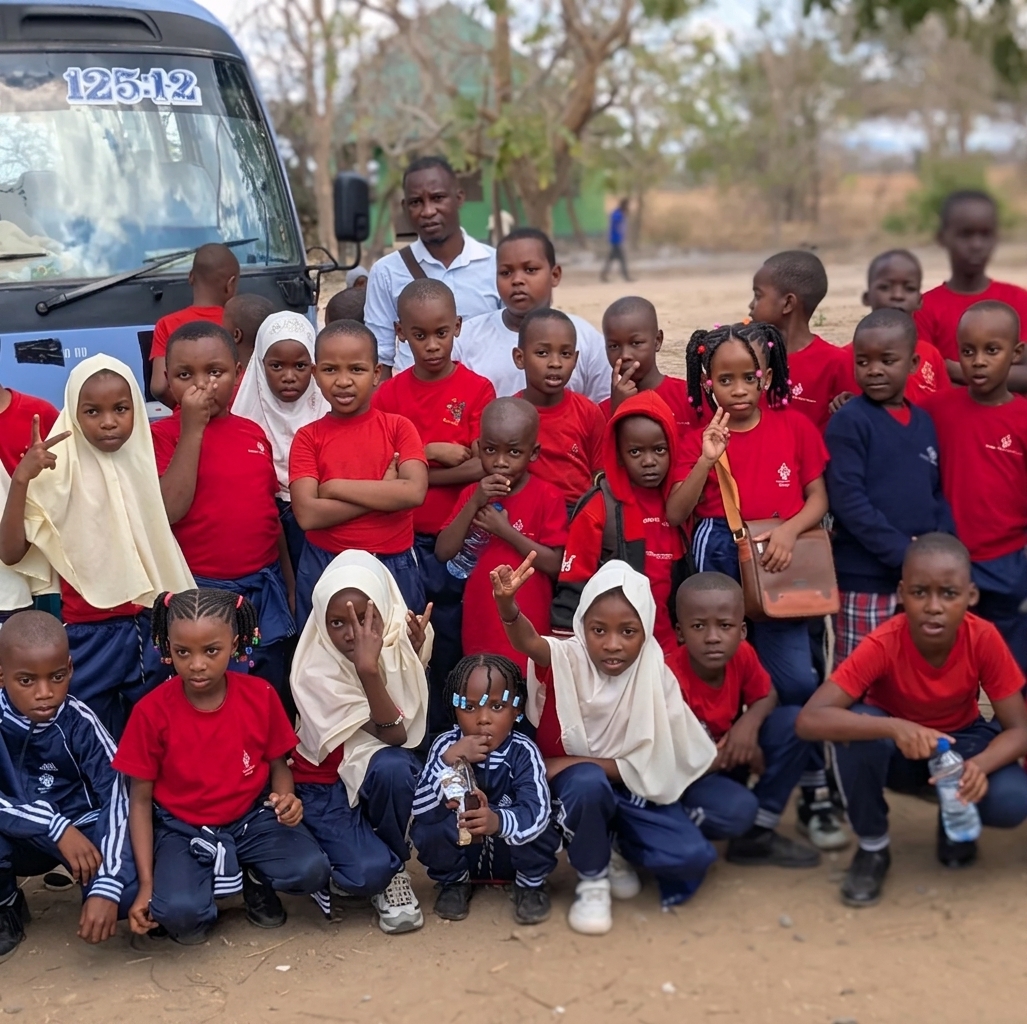
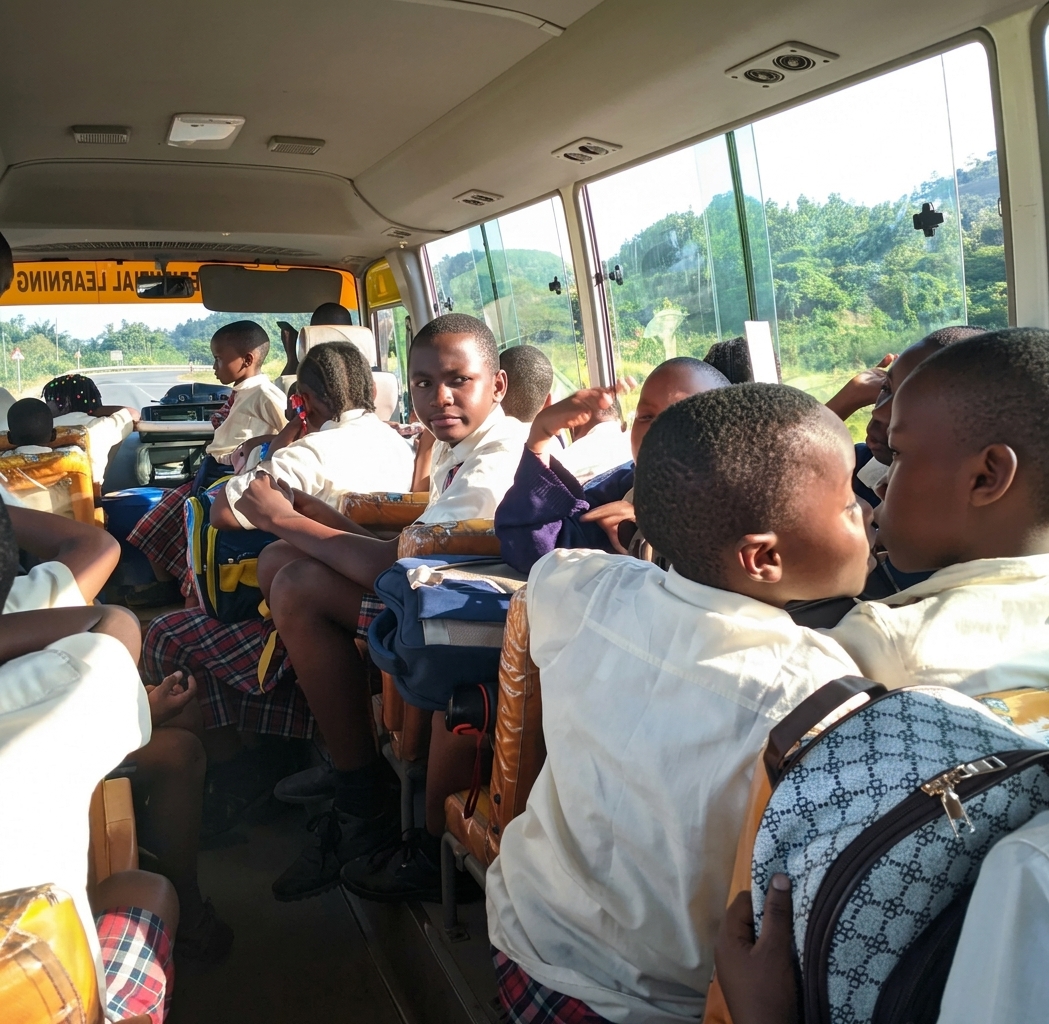

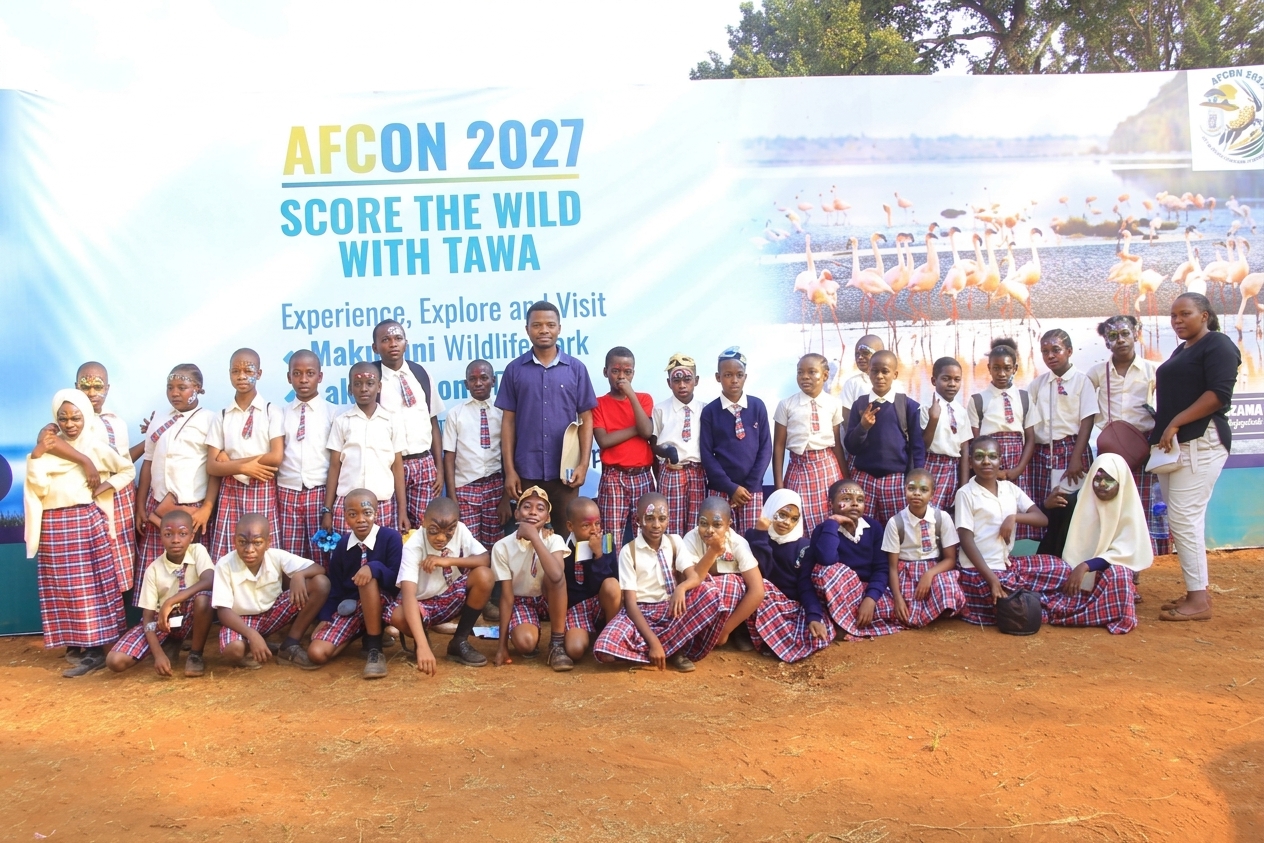
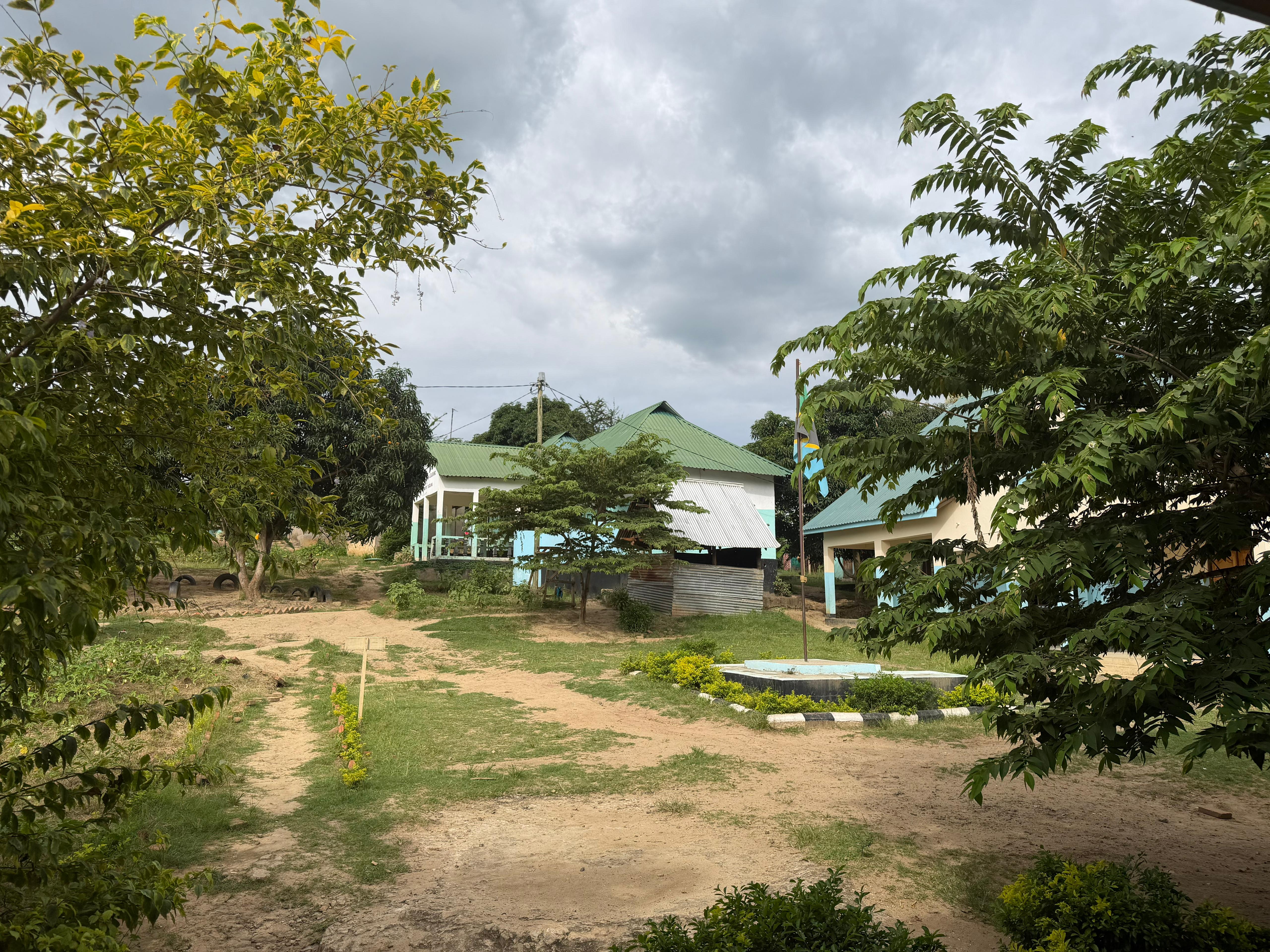
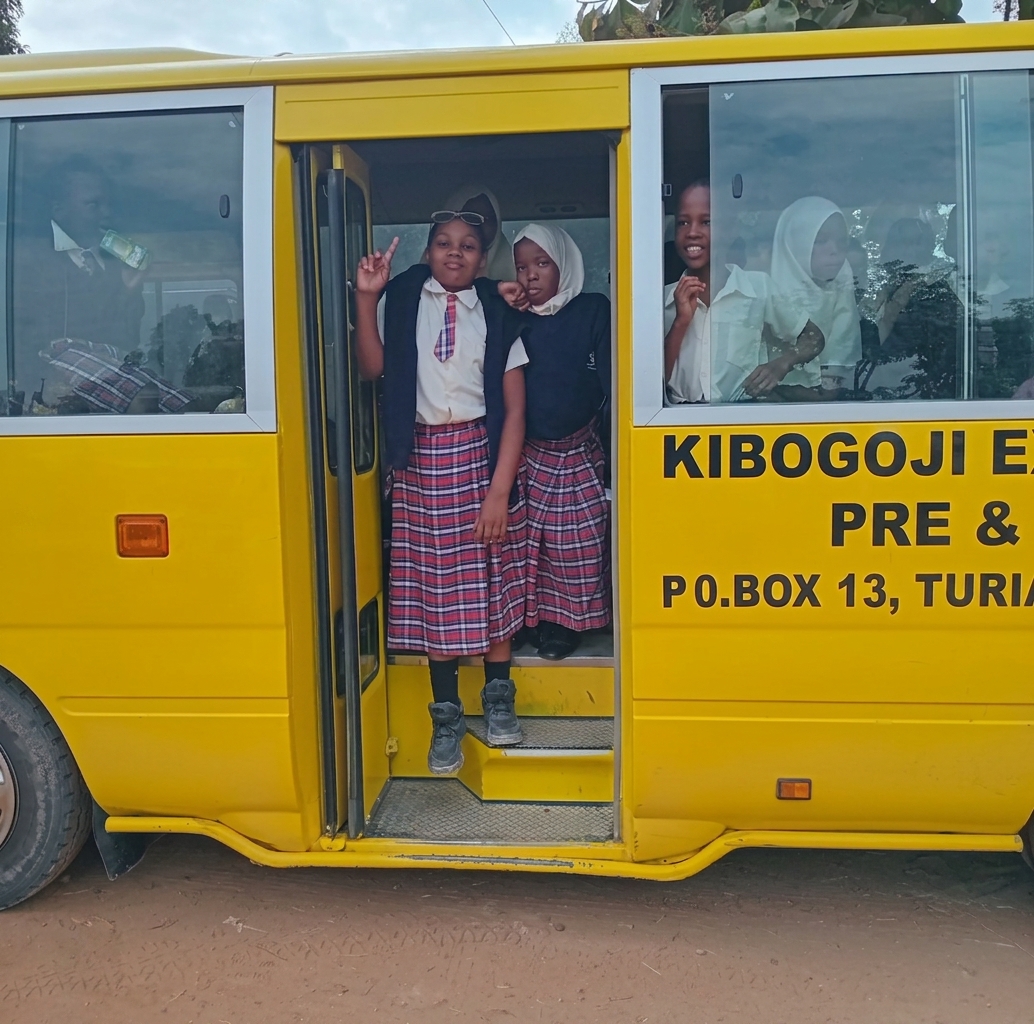
We believe academic knowledge becomes more powerful when students understand how and why it matters. A science lesson may become an experiment. Mathematics may involve measuring a school garden or solving a practical problem. Environmental studies may take students outside the classroom to investigate their surroundings.
Our aim is to develop learners who can read, write, calculate, investigate, communicate, collaborate, create, and think critically—skills that will serve them throughout their education and lives.
Experiential Learning
Learning by Doing
Experiential learning is at the heart of Kibogoji.
Children learn best when they are active participants rather than passive recipients of information. At Kibogoji, students are encouraged to observe, question, explore, experiment, create, reflect, and apply what they have learned.
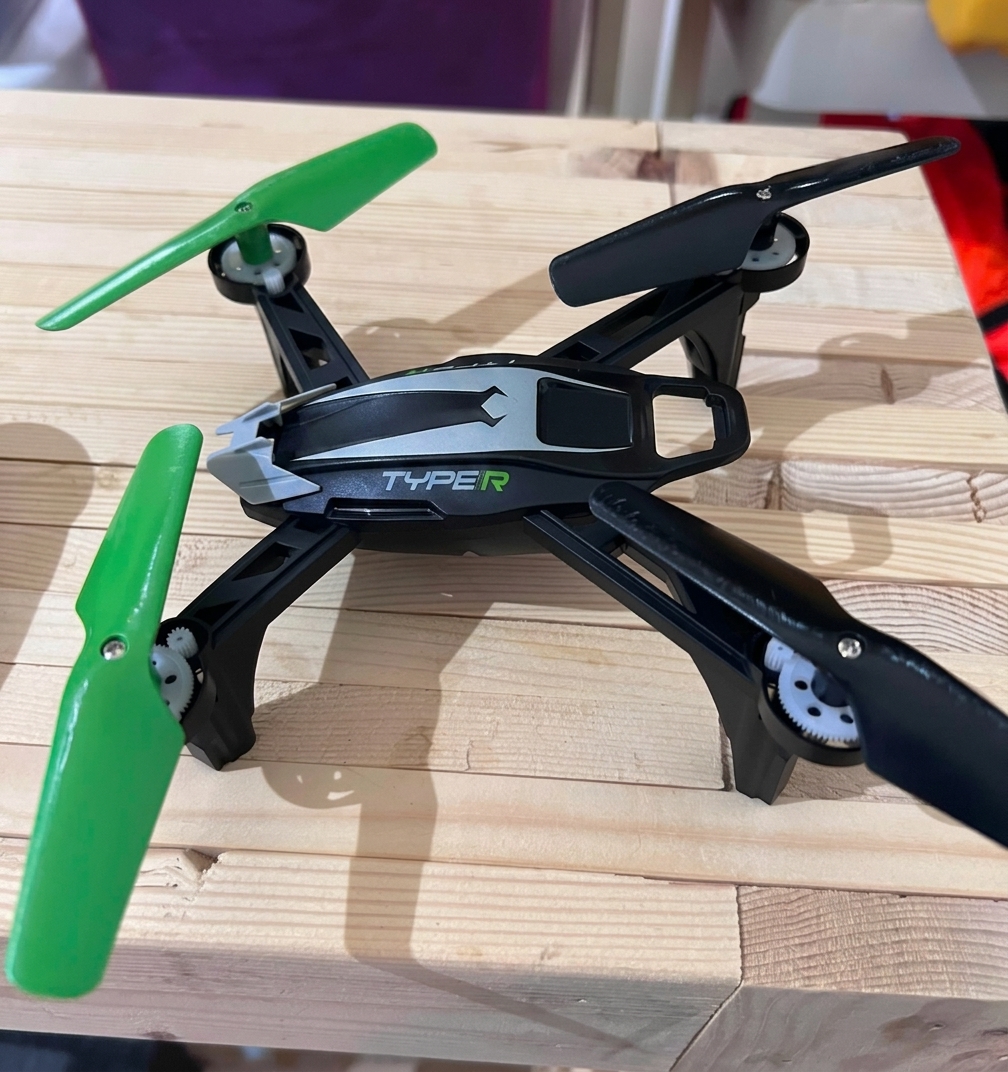
Learning therefore extends beyond textbooks and classroom walls. Students may learn science through experiments and nature exploration, mathematics through practical measurements, agriculture through working with plants, environmental science through observing local ecosystems, or technology through hands-on projects.
Mistakes are also part of learning. We encourage students to try, reflect, improve, and try again. This develops resilience, creativity, confidence, problem-solving skills, and intellectual curiosity.
Our teachers serve not only as instructors but also as facilitators who create meaningful experiences and guide students toward deeper understanding.
At Kibogoji, we don't simply teach children what to think—we help them learn how to think.